
College students are ambitious and capable, but many feel unprepared for the transition from college to career. In Spring 2025, LifeRamp partnered with The National Society of Collegiate Scholars (NSCS) to survey more than 600 students from across the United States. The goal was to learn where students feel supported and where they believe guidance…
College students are ambitious and capable, but many feel unprepared for the transition from college to career. In Spring 2025, LifeRamp partnered with The National Society of Collegiate Scholars (NSCS) to survey more than 600 students from across the United States. The goal was to learn where students feel supported and where they believe guidance is missing.
The results reveal a clear pattern. Students are determined and hardworking, yet their access to meaningful career support remains limited. They want personalized coaching, faster advising, and programs that address both career planning and mental well-being.
Stress is widespread
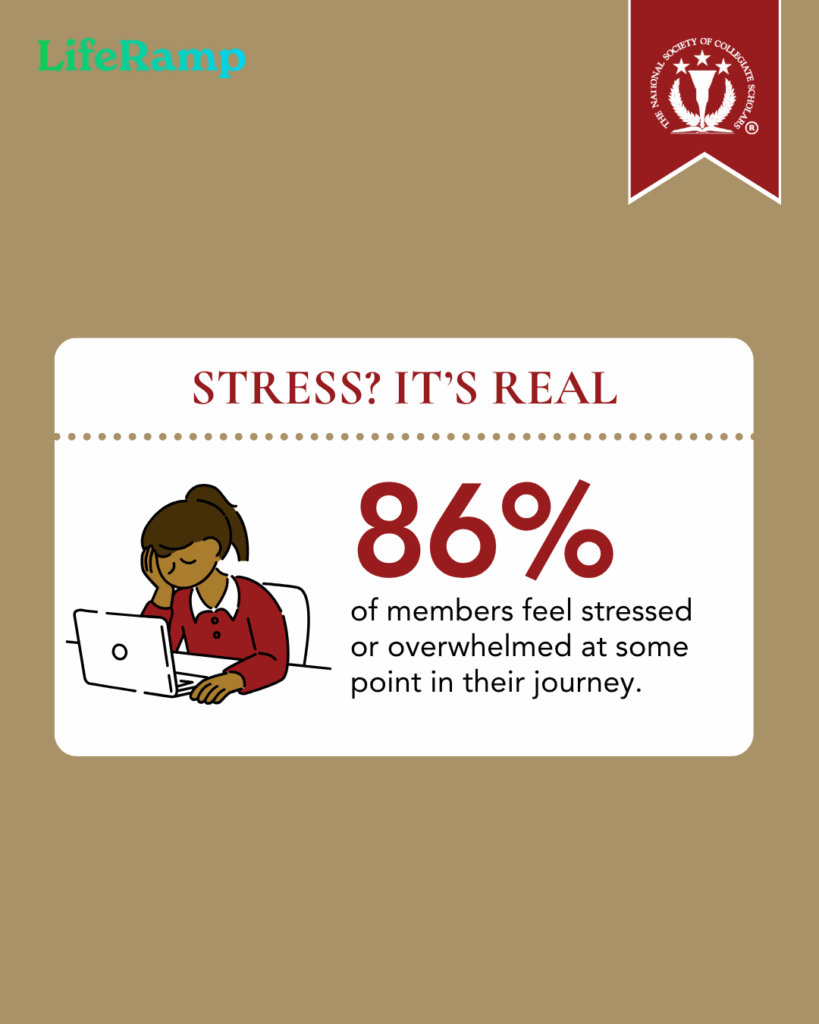
Balancing academics, work, and personal life is not easy. Eighty-six percent of NSCS members say they feel stressed or overwhelmed at some point in their college experience. Every student surveyed believes there are gaps in their schools’ career and internship support systems.
This suggests that students are not lacking motivation. They are doing their part, but the systems meant to support them often cannot keep up. When reliable guidance is hard to reach, stress becomes a constant part of student life.
Career and well-being support matter most
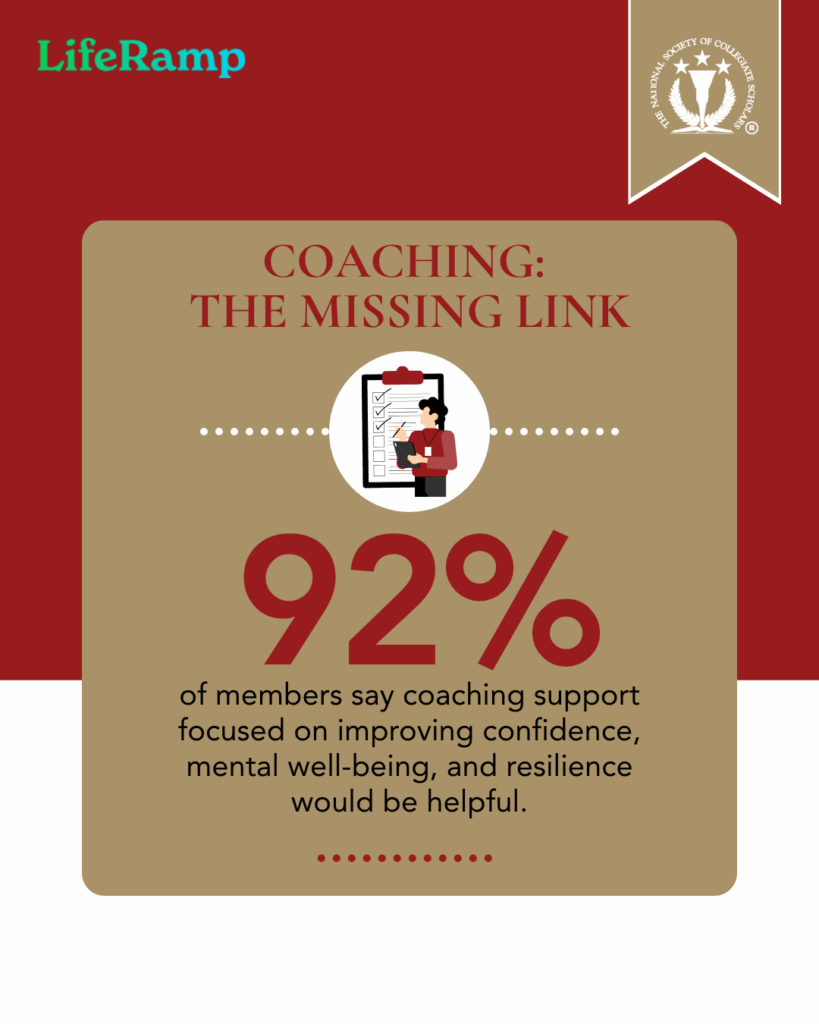
Career development and emotional health go hand in hand. Ninety-two percent of students say they want coaching that builds confidence, resilience, and balance. They understand that success depends not only on technical skill but also on personal growth.
This shift in student priorities should guide how institutions approach career development. Students want help identifying the right career path, but they also want to feel mentally equipped to pursue it. Programs that integrate both areas will have the most significant impact.
Coaching is the missing piece
While 83 percent of students express interest in coach-guided experiences, 94 percent have never worked with a coach. Coaching offers consistent accountability and helps students connect their strengths to tangible goals. It is a resource that turns uncertainty into direction.
Without it, many students face important career decisions on their own. Providing structured coaching programs would give them a framework to build confidence, clarify their values, and prepare for long-term success.
Soft skills drive long-term success
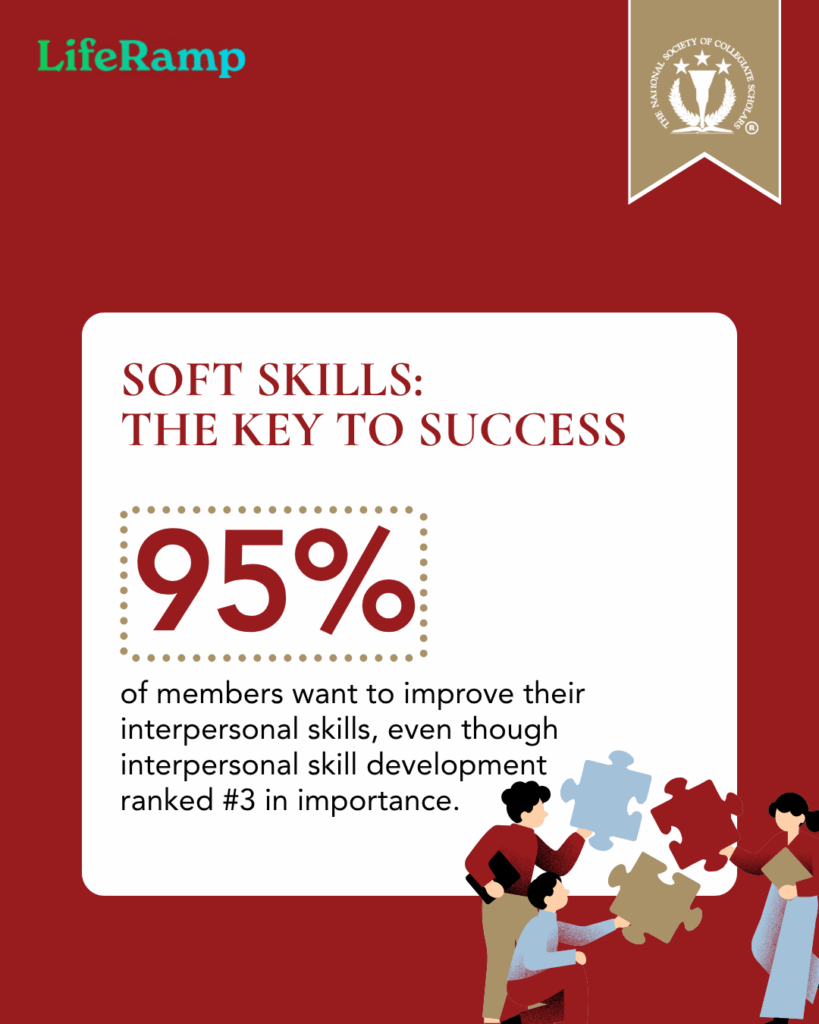
Students understand that success depends on more than grades or credentials. Ninety-five percent want to improve their interpersonal skills. They recognize that communication, teamwork, and leadership are what help people grow in their careers.
The challenge is finding enough opportunities to develop those skills while still in school. Integrating interpersonal skill-building into academic programs can help students graduate ready to contribute and lead.
Advising access is limited
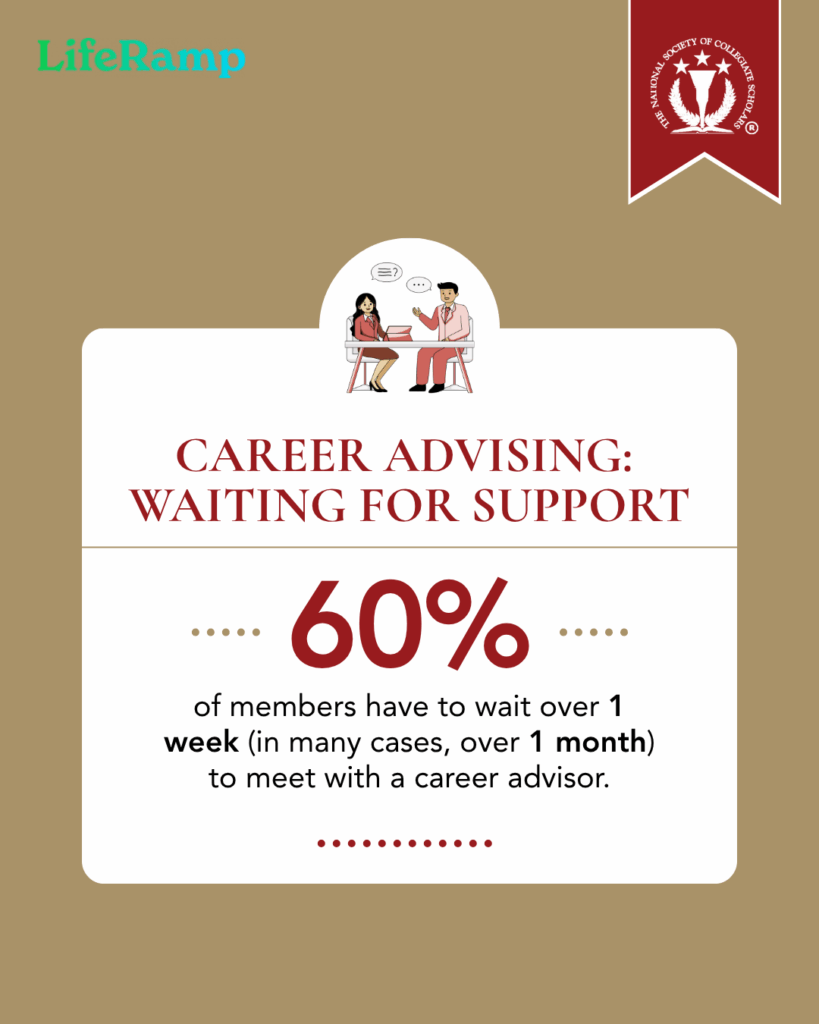
The demand for career advising is high, but access remains a problem. Sixty percent of students wait more than a week, and sometimes a month, to meet with a career advisor. These delays limit how quickly students can act on opportunities such as internships or graduate programs.
Students still prefer face-to-face interaction, yet they are open to technology that speeds up the process. They want human advice that feels personal, supported by tools that help them get answers faster.
Students show self-awareness and potential
Despite the challenges, students remain confident in their ability to make thoughtful choices. Eighty percent say they know how to identify career paths that align with their strengths. What they need is consistent access to mentorship that turns insight into results.
Michael Huckaby, Founder and CEO of LifeRamp, said, “These survey results show the urgent need for better access to career navigation and well-being support. With most students lacking coaching and facing long waits for advising, LifeRamp is closing these gaps by combining coach-guided experiences with AI tools that deliver timely and personalized support.”
Steve Loflin, Founder and CEO of The National Society of Collegiate Scholars, shared, “Partnering with LifeRamp allows us to better understand our members’ challenges and aspirations. These insights help us build programs that directly support their growth, confidence, and long-term success.”
The findings make one thing clear: students are not asking for more information; they are asking for real support. Coaching, accessible advising, and stronger well-being programs are not extras. They are essential parts of helping students move from education into meaningful careers with confidence and clarity.
See the full infographic for more insights on how NSCS and LifeRamp are bridging the college-to-career gap. [Click here to view the infographic.]